Pediatrics and Child Health is a specialized branch of medicine that focuses on the physical, emotional, and social health of infants, children, and adolescents from birth through adolescence. The field aims to ensure healthy growth and development while preventing, diagnosing, and treating various childhood diseases and health conditions. Pediatric healthcare covers a wide range of areas including neonatal care, child nutrition, immunization, developmental disorders, infectious diseases, and pediatric emergency care.
Pediatricians play a vital role in monitoring a child’s growth, providing preventive care, and guiding families on maintaining healthy lifestyles for children. Advances in pediatric research and medical technology have significantly improved the diagnosis and treatment of many childhood illnesses, leading to better health outcomes and quality of life for young patients.
Child health
also emphasizes early detection of developmental issues, mental health support,
and the promotion of healthy behaviors. Through continuous research, education,
and clinical practice, pediatrics contributes to building healthier future
generations and improving the overall well-being of children worldwide.

Promote Pediatric Research and Innovation – Encourage the sharing of new research, discoveries, and innovative approaches in pediatric medicine and child healthcare.
Enhance Knowledge Exchange – Provide a global platform for pediatricians, researchers, and healthcare professionals to exchange ideas and clinical experiences.
Improve Child Healthcare Practices – Discuss advanced diagnostic methods, treatment strategies, and preventive care for children.
Address Global Child Health Challenges – Focus on major health issues affecting children such as infectious diseases, malnutrition, and developmental disorders.
Encourage Collaboration and Networking – Build connections among scientists, clinicians, academicians, and healthcare organizations to foster collaborative research.
Support Early Diagnosis and Prevention – Highlight the importance of early detection and preventive healthcare in improving child health outcomes.
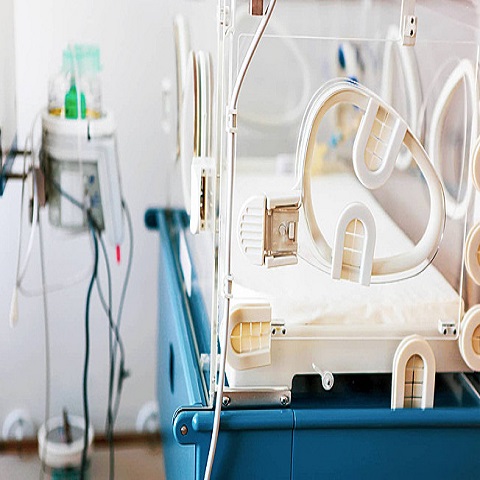
Advance Neonatal and Pediatric Care – Promote innovations in neonatal medicine, pediatric surgery, and child healthcare technologies.
Promote Child Well-Being and Development – Encourage strategies that support physical, mental, and social development of children.
Strengthen Pediatric Healthcare Systems – Discuss policies and healthcare frameworks that improve access to quality pediatric services worldwide.
Inspire
Future Pediatric Leaders – Provide opportunities for young researchers and
students to present their work and engage with global experts.
Neonatal and
Perinatal Care
Pediatric
Infectious Diseases
Child Growth
and Development
Pediatric
Nutrition and Malnutrition
Immunization
and Vaccination in Children
Pediatric
Cardiology
Pediatric
Neurology and Neurodevelopmental Disorders
Pediatric
Oncology
Pediatric
Endocrinology and Diabetes in Children
Pediatric
Pulmonology and Respiratory Diseases
Pediatric
Gastroenterology and Liver Diseases
Child and
Adolescent Mental Health
Genetic and
Rare Diseases in Children
Pediatric
Emergency and Critical Care
Childhood
Obesity and Metabolic Disorders
Pediatric
Surgery and Advanced Treatment Approaches
Autism
Spectrum Disorders and Developmental Disabilities
Pediatric
Pharmacology and Drug Safety
School Health
and Community Pediatrics
Global Child
Health and Pediatric Healthcare Policies

Child Care refers to the comprehensive support and nurturing provided to ensure the healthy growth and development of children from infancy through adolescence. It involves meeting a child’s physical, emotional, social, and educational needs in a safe and supportive environment. Proper childcare includes providing balanced nutrition, maintaining hygiene, ensuring regular health check-ups, and promoting physical activity to support overall well-being.
Childcare also focuses on emotional support, love, and positive communication, which are essential for a child’s mental and psychological development. Early childhood education and learning activities play an important role in developing cognitive and social skills. Parents, caregivers, teachers, and healthcare professionals all contribute to creating a nurturing environment where children can learn, grow, and thrive.
Effective
childcare also emphasizes disease prevention through immunization, safety
measures, and early detection of health issues. By promoting healthy habits,
education, and supportive care, childcare helps build a strong foundation for a
child’s future health, development, and success in life.

The health of every child is the foundation of a strong society; investing in pediatric care today ensures a healthier, brighter, and more promising future for generations to come.
© Ciencie Meetings 2026. All rights reserved

