Produced by the non-profit, the Euro Stem Cell 2027 is the legacy interdisciplinary networking event in the Cell and Stem Cell Research field. With the overarching purpose of fostering the translation of biomedical research, funding, and investments targeting cures, the Congress and co-located course serve a diverse ecosystem of stakeholders and influencers.
From the science behind pioneering discoveries and clinical applications to regulatory and manufacturing challenges, the Summit will provide a comprehensive look at progress to date, current challenges, and new “hot” topics as well as future applications.
The Congress will focus on the intersection of stem cells, regenerative medicine, and the latest advancements relating to biological aging, with an emphasis on reprogramming, regeneration, rejuvenation, discovery platforms, genetics, and neuroscience.
The Stem Cell conference
series is an educational and networking focal point for scientists, business
leaders, regulators, policy-makers, advocates, economic development officers,
experts in law and ethics, and visionary gurus from around the world.
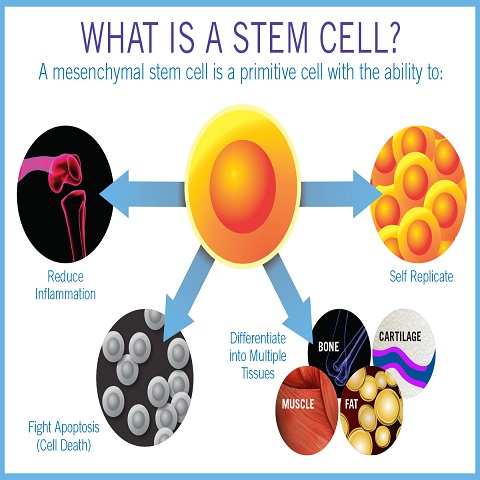
Euro Stem Cell brings together scientists, researchers, clinicians, and industry professionals to discuss and share the latest advancements in the field. These conferences cover a wide range of topics related to cellular biology, regenerative medicine, and stem cell therapy. Participants often present their research findings through oral presentations, posters, and interactive sessions.
Stem Cell Biology: Understanding the fundamental properties of stem cells, including their differentiation potential and self-renewal capabilities.
Regenerative Medicine: Exploring applications of stem cells in tissue repair, regeneration, and the treatment of various diseases.
Clinical Applications: Discuss the progress and challenges of translating stem cell research into clinical therapies for conditions such as cardiovascular diseases, neurodegenerative disorders, and musculoskeletal conditions.
Ethical and Regulatory Issues: Addressing the ethical considerations and regulatory challenges associated with stem cell research and its applications.
Emerging Technologies: Highlighting new tools and
technologies that contribute to advancing our understanding of cells and stem
cells, such as gene editing techniques and advanced imaging methods.
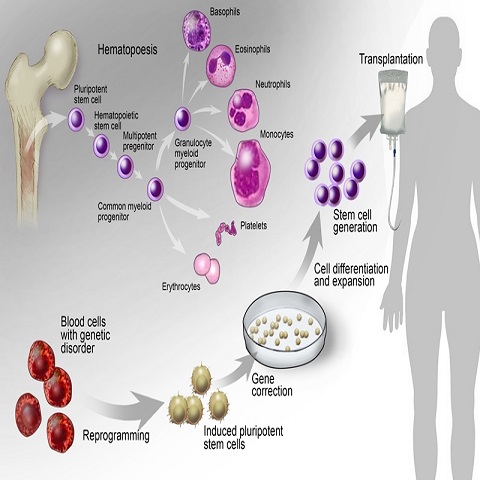
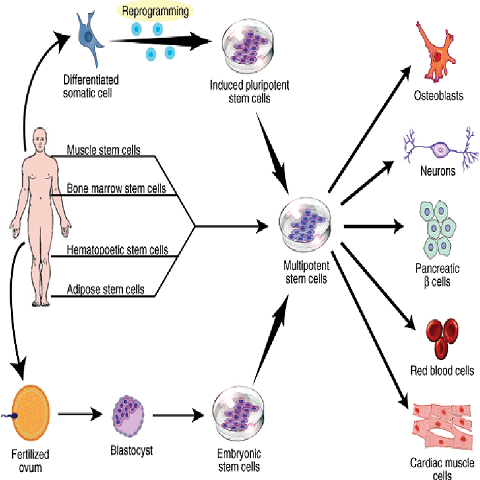
Stem cells are unique cells in the human body that have the remarkable ability to develop into many different types of specialized cells. They serve as the body’s internal repair system, capable of dividing and renewing themselves for long periods. Unlike ordinary cells, stem cells can transform into various cell types such as muscle cells, nerve cells, or blood cells. This ability makes them extremely valuable for medical research and regenerative medicine.
There are several types of stem cells, including embryonic stem cells, adult stem cells, and induced pluripotent stem cells (iPSCs). Embryonic stem cells are derived from early-stage embryos and have the potential to develop into almost any cell type in the body. Adult stem cells are found in specific tissues such as bone marrow and help maintain and repair the tissue in which they are located. Induced pluripotent stem cells are adult cells that scientists reprogram to behave like embryonic stem cells.
Stem cell research has
opened new possibilities for treating a wide range of diseases and injuries,
including cancer, diabetes, heart disease, spinal cord injuries, and
neurodegenerative disorders. Scientists are exploring how stem cells can repair
damaged tissues and restore normal function in the body. Although the field
continues to grow, ethical considerations and regulatory guidelines remain
important aspects of stem cell research and clinical applications.
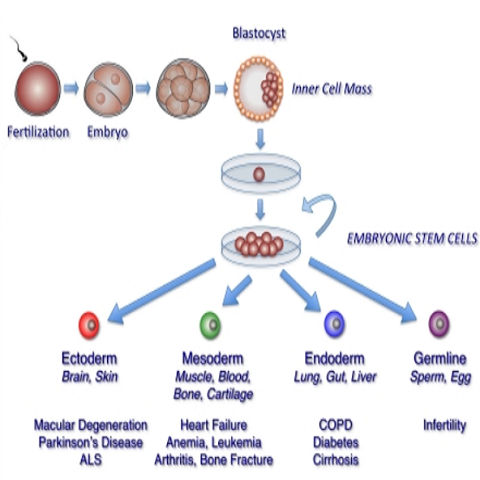
Regenerative medicine is an advanced field of medical science that focuses on repairing, replacing, or regenerating damaged tissues and organs to restore normal function in the human body. Unlike traditional treatments that mainly manage symptoms, regenerative medicine aims to address the root cause of diseases by stimulating the body’s natural healing processes. This approach combines principles from biology, biotechnology, tissue engineering, and medicine to develop innovative therapeutic strategies.
One of the key components of regenerative medicine is the use of stem cells, which have the ability to develop into different types of specialized cells. These cells can help repair damaged tissues and promote regeneration in organs such as the heart, liver, skin, and nervous system. Other important technologies in regenerative medicine include tissue engineering, biomaterials, and gene therapy. Scientists also use 3D bioprinting and advanced cellular techniques to create functional tissues that may eventually be used for transplantation.
Regenerative medicine has
shown promising potential in treating a wide range of conditions, including
spinal cord injuries, heart disease, diabetes, arthritis, and neurodegenerative
disorders. It is also widely used in wound healing, organ regeneration, and
reconstructive medicine. Although many therapies are still under research and
clinical trials, regenerative medicine is considered one of the most promising
areas in modern healthcare, offering hope for more effective and long-lasting
treatments in the future.
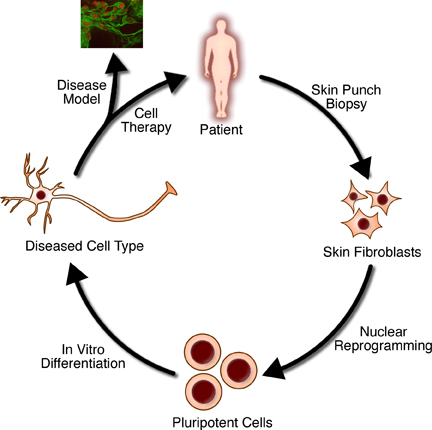
Tissue engineering is an important field within stem cell research that focuses on creating or repairing damaged tissues and organs by combining stem cells, biomaterials, and biological signals. The goal of tissue engineering is to develop functional tissues that can replace or regenerate injured or diseased parts of the body. This approach plays a major role in regenerative medicine and offers promising solutions for treating many medical conditions.
Stem cells are central to tissue engineering because of their ability to self-renew and differentiate into specialized cell types such as bone, cartilage, muscle, and nerve cells. In tissue engineering, stem cells are often placed on supportive structures called scaffolds. These scaffolds are made from natural or synthetic biomaterials that provide a framework where cells can grow, multiply, and organize into functional tissues.
Researchers also use growth factors and biochemical signals to guide stem cells to develop into the desired tissue type. Advances in technologies such as 3D bioprinting and biomaterial engineering have further improved the ability to design complex tissues for medical use.
Tissue engineering has shown
great potential in repairing damaged organs, healing wounds, and developing
artificial tissues for transplantation. It is widely studied for applications
in bone regeneration, skin repair, cardiovascular tissues, and cartilage
reconstruction. As research continues to advance, tissue engineering combined
with stem cell technology is expected to revolutionize modern medicine and
improve treatment options for many diseases and injuries.
Advancing stem cell science to transform regenerative medicine, accelerate innovative therapies, and shape the future of global healthcare research.
© Ciencie Meetings 2026. All rights reserved

